Arizona Gold along the Hassayampa: The Upside-Down River That Fueled Arizona’s Greatest Rush
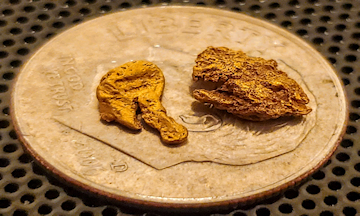
Arizona gold nuggets
If you look at the Hassayampa River as it cuts past Wickenburg, Arizona today, you might wonder how a mostly dry sandy wash could hold a spot in desert gold-prospecting history. Indigenous Apaches historically called it the “upside-down river” because its water flows underground for much of its length before surfacing at natural springs.
Underneath that dry sand lies a rich story of high-grade quartz veins, heavy placer deposits, and one of Arizona’s wild western boomtowns.
Arizona Gold along the Hassayampa
1. The Vulture Mine: Hardrock Gold Powered by River Water
Arizona’s richest lode gold mine—the famous Vulture Mine—was discovered in 1863 by Austrian prospector Henry Wickenburg in the mountains southwest of town. The mine eventually produced over $30 million in gold from massive quartz veins, but it faced a major desert challenge: processing hardrock quartz ore requires huge amounts of water.

Arizona Gold nugget
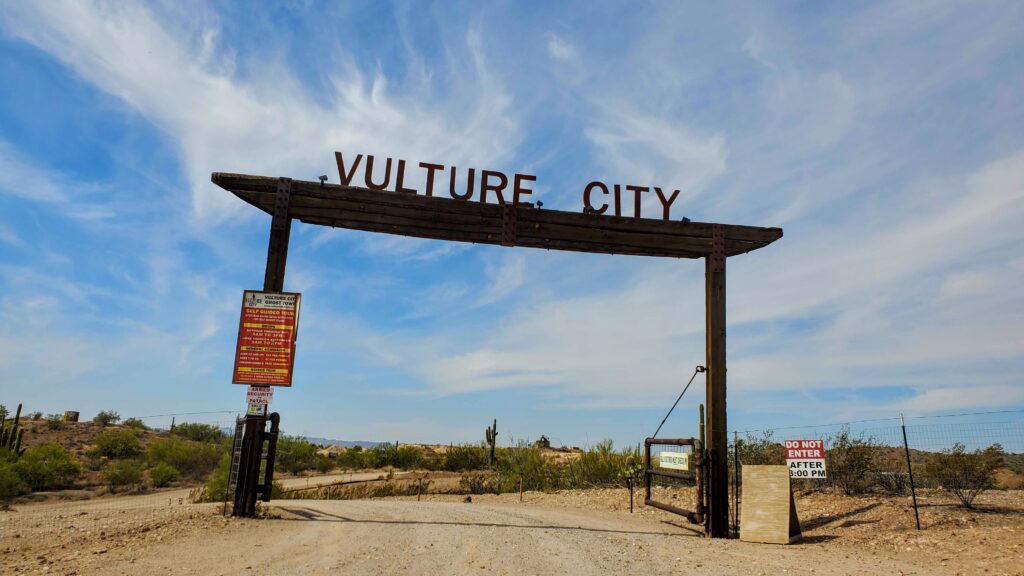
Vulture Mine
Because the Vulture Mountains were bone-dry, Wickenburg and early miners hauled raw gold ore directly to the banks of the Hassayampa River. There, they built water-powered arrastras (stone grinding mills) right along the riverbank to crush the rock and amalgamate the gold. The town of Wickenburg grew up around these processing mills.
2. Upper River Placers & The Bradshaw Drainages
Upstream from Wickenburg toward Prescott, the Hassayampa River drains mineral-rich mountains, including famous gold regions around Lynx Creek, Groom Creek, and Rich Hill.
Over thousands of years, monsoon storms and spring flash floods washed fine flakes and small nuggets down from mountain lodes into the upper river gravels. Key historic placer zones along the Hassayampa include:
Walnut Grove & Wagoner: Placer gold was reported along the riverbed here as early as 1855, leading to decades of panning, sluicing, and dry-washing.
Blue Tank Wash: A major tributary junction north of Wickenburg where floodwaters historically concentrated black sands and placer gold in bed gravels.
3. The Great Walnut Grove Dam Disaster (1890)
To capitalize on the rich placer gravels along the upper river, investors built the massive stone Walnut Grove Dam in the late 1880s to store water for high-pressure hydraulic mining.
In February 1890, catastrophic torrential rains overfilled the reservoir, causing the dam to burst. A massive wall of water swept down the Hassayampa River canyon, destroying mining camps, washing away equipment, scouring the river gravels, and claiming over 100 lives. The flood ended major corporate mining projects along that stretch, leaving the remaining gravels to small-scale prospectors.
4. Prospector Lore: “The Legend of the Hassayampa”
During the height of the 1800s rush, local miners and promoters grew famous for wildly exaggerating their gold strikes along the river. Their tall tales birthed a famous piece of Arizona folklore and a well-known prospector’s poem:
“Those who drink its waters bright—
Red man, white man, boor or knight,
Girls or women, boys or men—
Never tell the truth again.”
To this day, Wickenburg keeps the tradition alive with a sense of humor, placing official-looking “No Fishing From Bridge” signs on the highway bridge spanning the dry riverbed downtown.
Modern Prospecting Takeaway

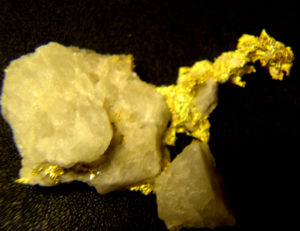
Visible Gold in quartz
When seasonal storms release water down the Hassayampa, fresh gravels shift along the bed’s inner bends and bedrock exposed near tributary junctions like Blue Tank Wash. For modern prospectors working with sluices or metal detectors outside restricted areas, understanding how high-water events scour and redeposit metal along this riverbed remains the key to finding desert gold.
Arizona Gold along the Hassayampa
#######
Visit our gold prospecting site to view of collection of natural gold nuggets,
silver and many other unique precious metals collectibles and great gift ideas:
https://california-gold-rush-miner.us
A few examples from our site:
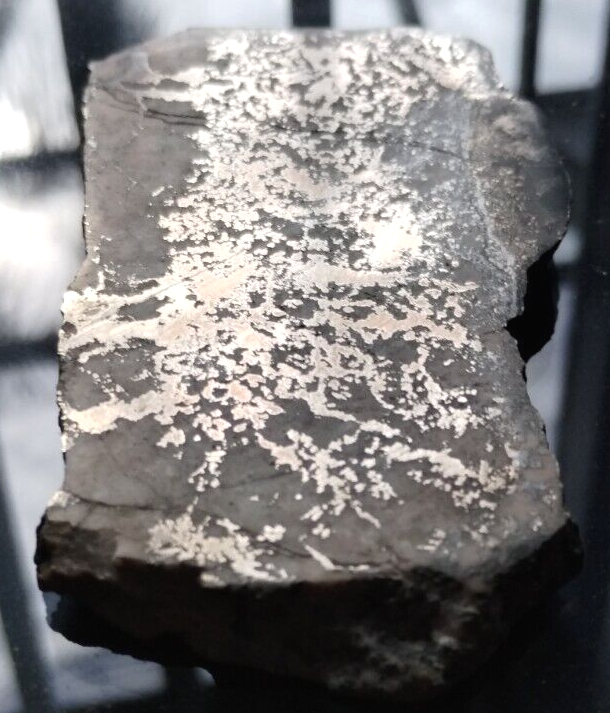
High Grade Silver Ore Slab

silver slab – example only
Nice sawn vein specimen of fresh, unaltered high grade silver ore from the world-class Cobalt Ontario deposits. Sawn on one side only. The deposit was described in Mineralogical Record, Volume 43, Number 6. In general, veins are predominantly composed of carbonates (calcite and/or dolomite) with arsenides and sulpharsenides of Co, Ni and Fe with native Ag and Bismuth. Most of this material has been squirreled away in collections by now, although specimens do occasionally come to market.

There are a few of these silver slabs available. The very bright silver really makes this piece stand out, but, unfortunately makes it all so hard to photograph. As an example the one pictured above is 66 grams.

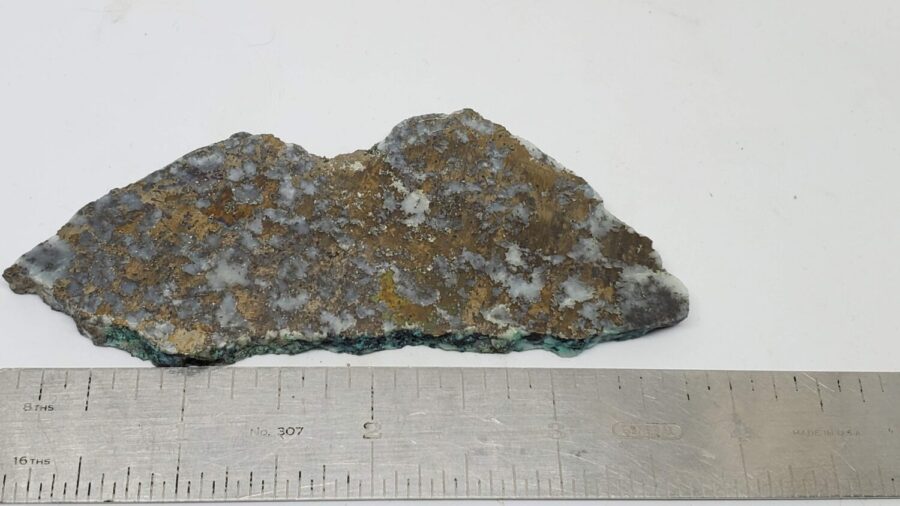
Silver, Bornite
There are a few of these beautiful native silver w bornite specimens available. Here is a 2 inch x 1 inch, Apx. 17.5 grams – Native Silver on Bornite thumbnail specimen from San Martin, Mexico. As an example the one pictured above is 17.5 grams.
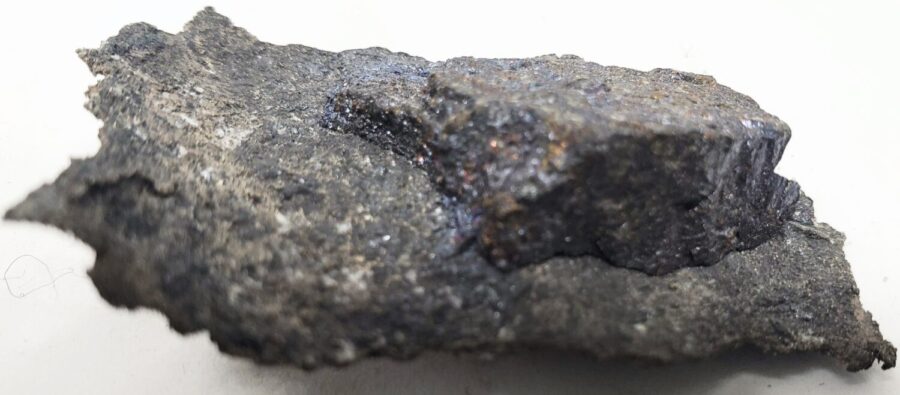
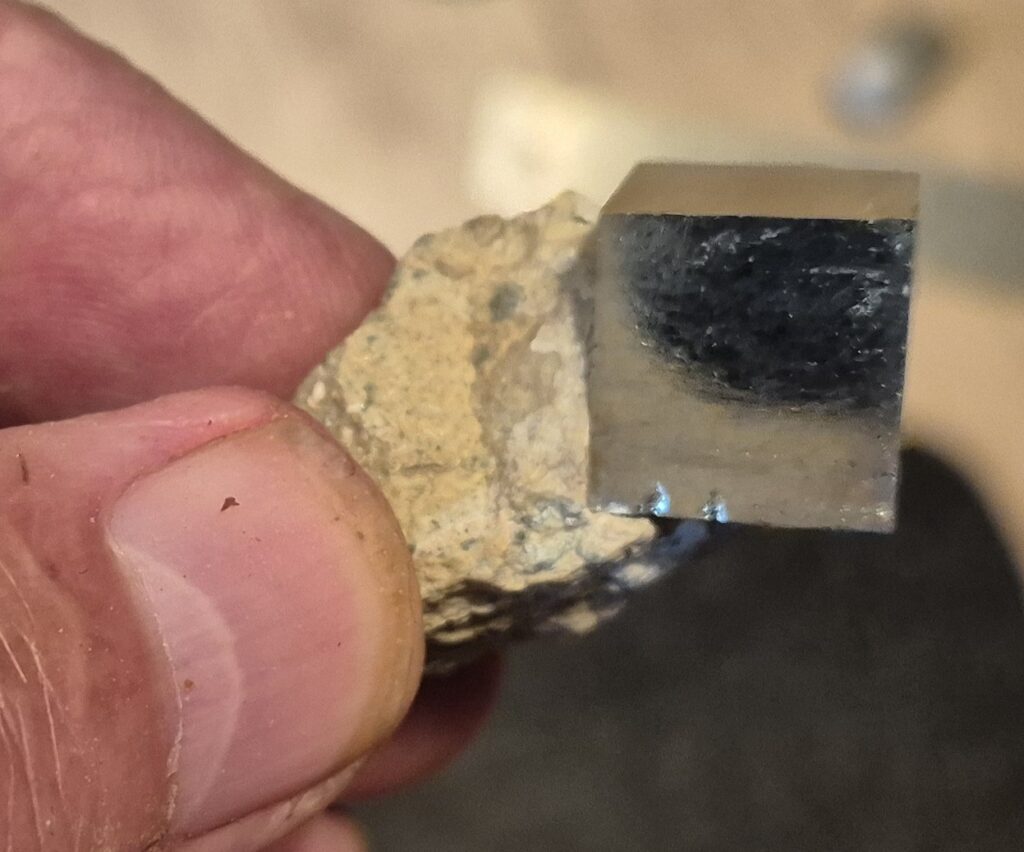
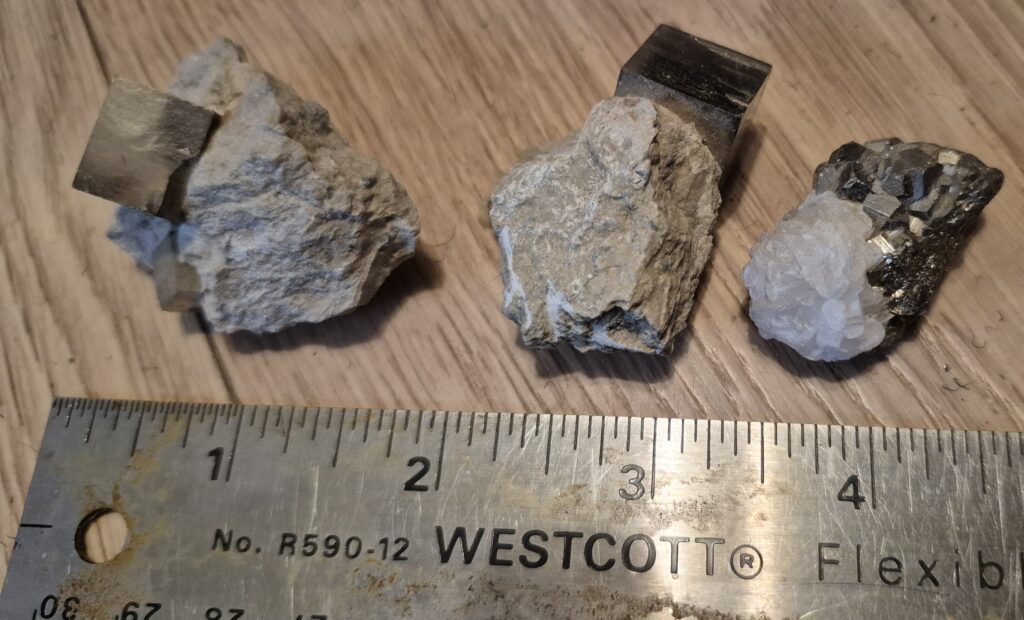
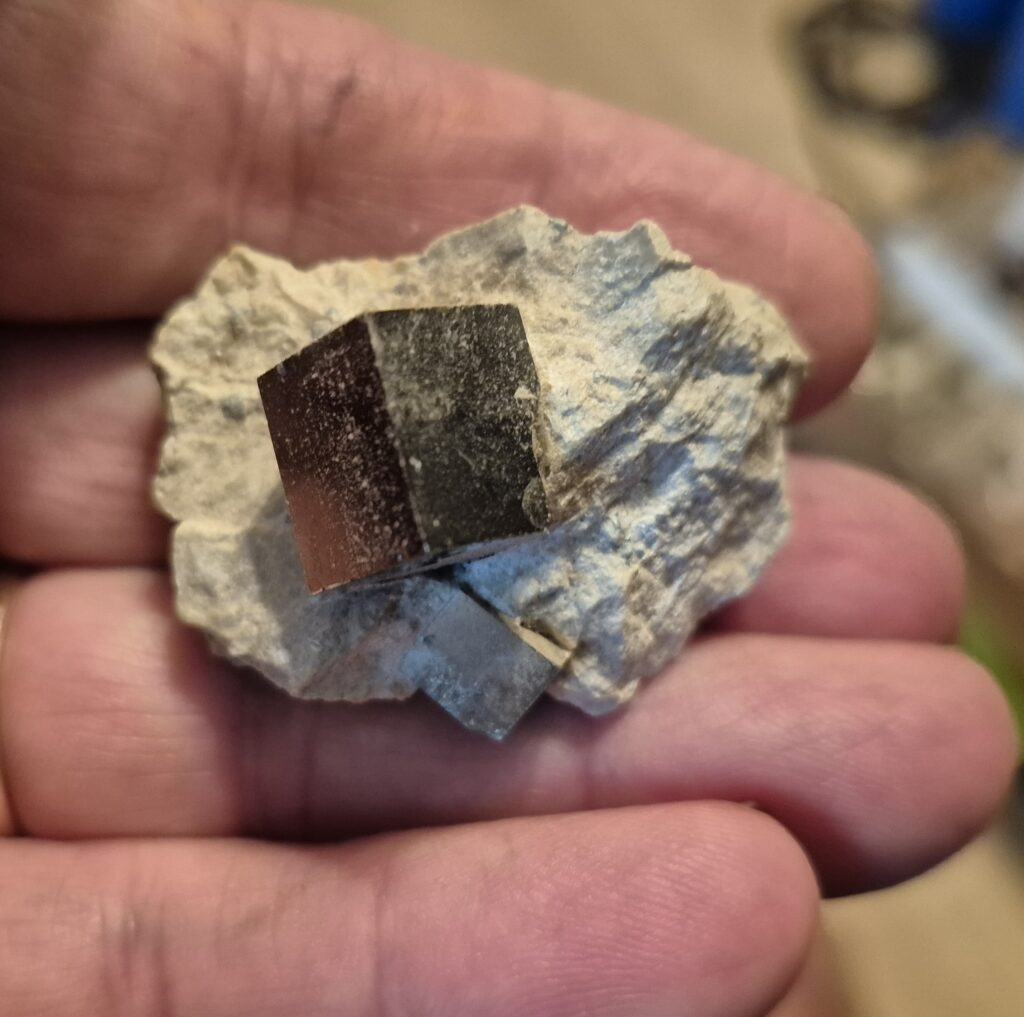
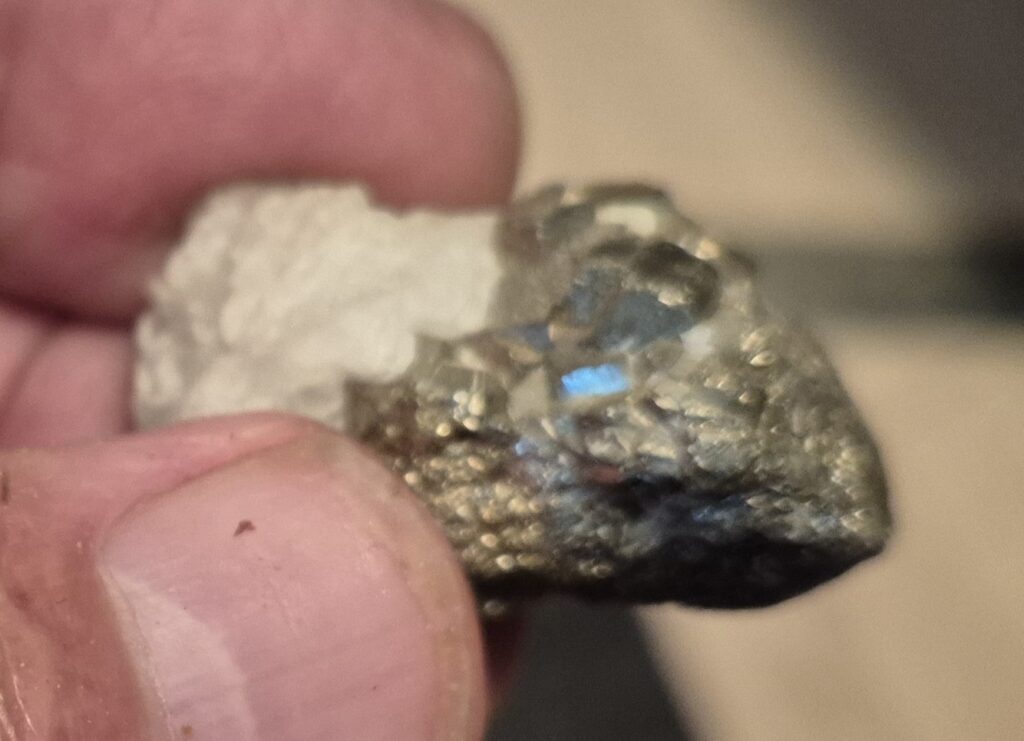
- This weeks speciaL: Beautiful pyrite specimens found on matrix from Valdeperillo, Spain. Makes a great display specimens or gift, showcasing the unique beauty of pyrite crystals in a matrix setting. It is a rare and unique find for collectors, making it a valuable addition to any crystal and mineral specimen collection. SOLD AS A THREE PIESE SET FOR JUST $45.

Pyrite cube

Pyrite cubes

Pyrite cube

Pyrite cube
Avon Gold Rush Collectible stein


1987 8 1/2” tall San Francisco Gold Rush Handcrafted in Brazil for Avon. Each one of is individually numbered (#32017) this is the last one. $35.
- For further information on these: seo711@gmail.comAll the items shown here are very limited and subject to prior sale without notice.
#######
Also see the most expensive type of gold nuggets, the Crystalline Gold Nuggets

Crystalline gold
Subscribe to our Youtube Arizona Gold Prospecting channel
Click Here for great Gold Prospecting Equipment Deals
DISCLAIMER:
Some of the links in this description and in our videos may be affiliate links, and pay a small commission if you use them, but never increase the basic cost. I really appreciate the support. The content in my Youtube videos & blog posts SHALL NOT be construed as tax, legal, insurance, construction, engineering, health & safety, electrical, financial advice, prospecting or other & may be outdated or inaccurate; it is your responsibility to verify all information. I am a not financial adviser. I only express my opinions based on my experiences. Your experience may be quite different. Investing of any kind involves risk. While it is possible to minimize risk, your investments are solely your responsibility. You must conduct your own research. There is NO guarantee of gains or losses on any investments. My produced videos are for entertainment purposes ONLY. DO NOT make buying or selling decisions based on these videos. If you need advice, please contact a qualified CPA, attorney, insurance agent, contractor/electrician/engineer, financial advisor, or the appropriate professional for the subject you would like help with.
- Keep in mind land use and land boundaries are constantly changing, before going to a unknown location you must do extensive research not only into the current weather conditions, access and current land status. Keep In mind private property owners and mining claim owners do not take kindly to trespassers and or claim jumpers. Always follow local laws and regulations related to prospecting and land use. Regulations and restrictions are constantly changing on BLM lands, State lands, National Monuments and tribal lands. It is your responsibility to totally investigate any potential prospecting area prior to heading out. Failure to do so, could not only result in massive fines but also imprisonment and confiscation of all your equipment.


0 Comments